Licensed security-provider infrastructure
Operations are supported by Alliance One Security & Risk Solutions LLC, an Ohio-licensed security provider (Ohio PISGS Company License #20262100659433).
Fire-watch coverage, staffing, and start time require direct confirmation. Online submission does not confirm service.
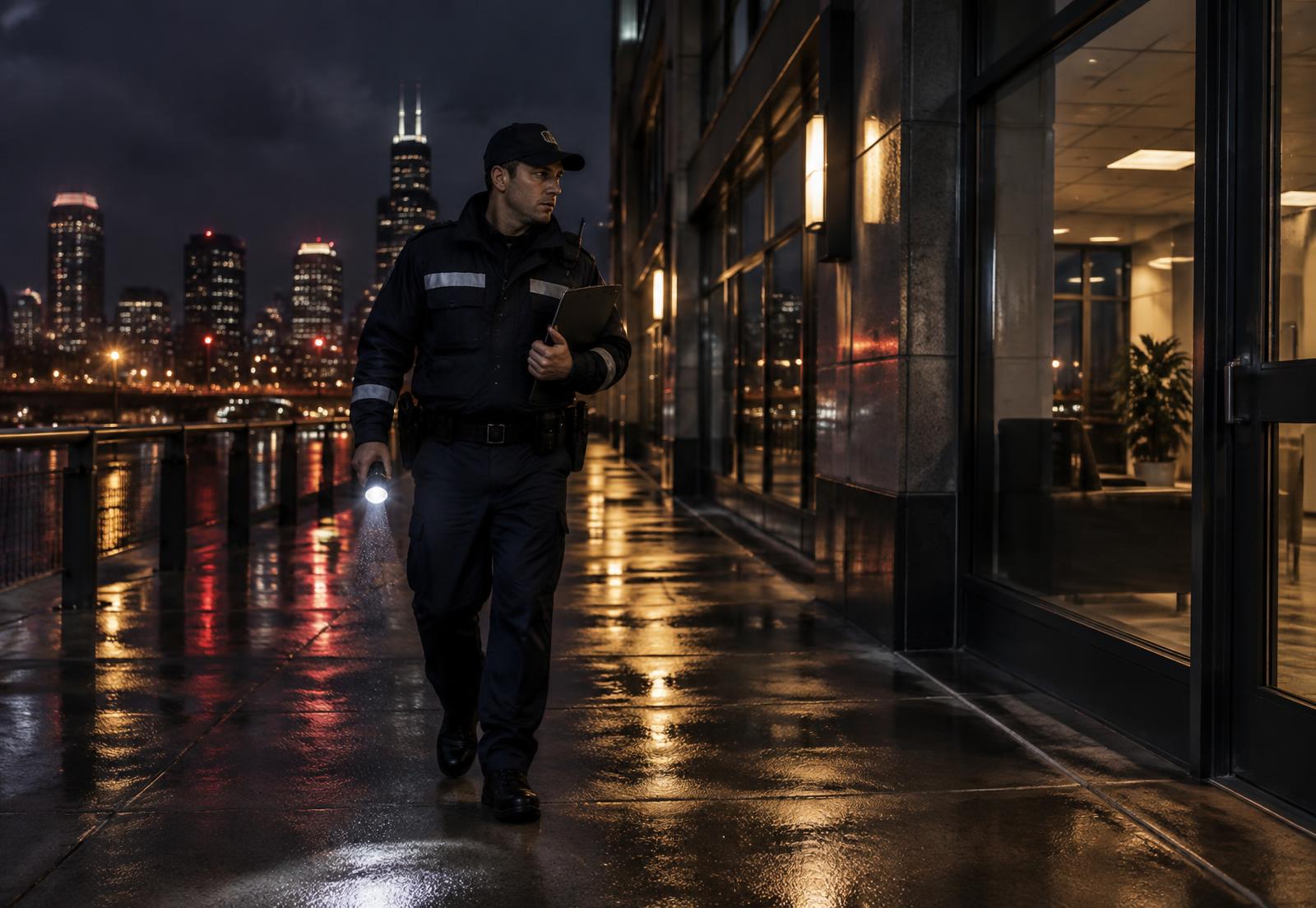
Cincinnati's Rapid-Response Fire Watch Team
513 Firewatch provides trained, documented fire-watch coverage for impaired fire alarms and sprinkler systems, construction projects, hot-work operations, commercial properties, and emergency situations throughout Cincinnati and Southwest Ohio.
Licensed security-provider infrastructure • Professional patrol documentation • Rapid-response coordination
When Every Minute Matters, We Stand Watch.
These are the situations that most often require documented fire-watch coverage:
Call to discuss the property, affected system, required patrol frequency, requested start time, and authority having jurisdiction. Coverage requires direct confirmation.
Fire Watch Services
Every assignment is scoped to the impaired system, the hazard, and the requirements you have been given — then documented in writing.
Visible patrols, hazard monitoring, documentation, emergency notification, and occupancy awareness while an alarm system is impaired.
View service →Scheduled patrol and documentation while a sprinkler, standpipe, fire pump, or related system is unavailable or restricted.
View service →Coverage for construction, renovation, demolition, vacant-property, and temporary-occupancy conditions.
View service →Dedicated monitoring for welding, cutting, brazing, grinding, soldering, torch work, roofing operations, and other heat- or spark-producing work.
View service →Rapid coordination when a system unexpectedly fails or an authority requires immediate coverage.
View service →Coverage for hotels, healthcare environments, schools, churches, warehouses, retail facilities, multifamily buildings, offices, industrial sites, and event venues.
View service →Coverage for assembly occupancies, festivals, tented events, banquet spaces, and venues operating under a permit condition.
View service →How It Works
Tell us the location, affected system, requested start time, and property conditions.
We coordinate the scope, patrol frequency, post orders, emergency contacts, and documentation requirements.
Properly assigned personnel report to the property with the applicable instructions and reporting tools.
Patrols, observations, notifications, incidents, and release information are documented for the client.
Why 513 Firewatch
Operations are supported by Alliance One Security & Risk Solutions LLC, an Ohio-licensed security provider (Ohio PISGS Company License #20262100659433).
513 Firewatch is a minority-owned and veteran-owned organization.
Team members bring more than 35 years of combined service experience across public safety and private security roles.
Personnel with backgrounds in military service and law enforcement bring discipline and clear reporting habits to every assignment.
Team credentials and experience include fire inspection, bomb-squad operations, CPR, private investigations, emergency response, and protective services.
Time-stamped patrol entries, observations, notifications, and incidents recorded in a client-ready format.
Every assignment runs on written post orders with defined notification and escalation procedures.
Assignments and documentation receive supervisor review rather than being left to the individual on watch.
Rapid-response coordination for unexpected impairments, plus planned coverage for shutdowns, projects, and events.
Credentials described above belong to individual team members and reflect their backgrounds and experience. 513 Firewatch is not a fire-inspection agency, a bomb squad, a municipal fire department, or a state-certified fire-protection contractor.
Compliance Framework
Fire-watch requirements depend on why the watch is needed, the conditions at the property, and the instructions of the applicable authority having jurisdiction. 513 Firewatch develops each assignment around the affected system, property conditions, required patrol frequency, emergency procedures, site-specific post orders, and documentation requirements.
When a required fire alarm, sprinkler, standpipe, fire pump, monitoring system, or other life-safety system is impaired, the property may be required to implement an approved fire watch or take other protective action. These assignments are primarily governed by the Ohio Fire Code, the local fire-code official, the property's impairment plan, and approved post orders.
View Ohio Fire Code AuthorityHot-work fire watch applies to welding, cutting, brazing, grinding, soldering, torch-applied roofing, and other operations capable of producing flame, heat, or sparks. These assignments may be governed by the Ohio Fire Code, federal OSHA standards, the site's hot-work permit, and additional facility-specific safety requirements.
View OSHA Hot-Work StandardFire-watch patrol frequency, staffing, duration, and release authority are not selected arbitrarily. They must follow the applicable fire-code official, authority having jurisdiction, hot-work permit, impairment plan, facility policy, or approved post orders.
Industries Served
Sleeping occupancies, shared corridors, and resident communication needs during any impairment.
Guest safety, front-desk coordination, and renovation-phase alarm zone impairments.
Patients and residents who cannot self-evacuate, with strict notification and escalation needs.
High-piled storage, charging areas, and dock operations when suppression is offline.
Multi-tenant exposure, shared concealed spaces, and after-hours coverage requirements.
Incomplete systems, combustible materials, shifting egress, and daily hazard changes.
Process hazards, permitted hot work, and shutdown windows with suppression restricted.
Large assembly spaces, volunteer staffing, and older construction with concealed voids.
Break-period renovations, phased system work, and documented overnight coverage.
Tenant build-outs, drained zones, and high-rise patrol routes across many floors.
Cooking operations, late-hour occupancy, and suppression or hood-system impairments.
Assembly loads, temporary power, tents, and permit-driven fire-watch conditions.
No utilities, combustible debris, trespass risk, and insurer-driven watch requirements.
Public facilities with documentation, access control, and reporting expectations.
Documentation & Accountability
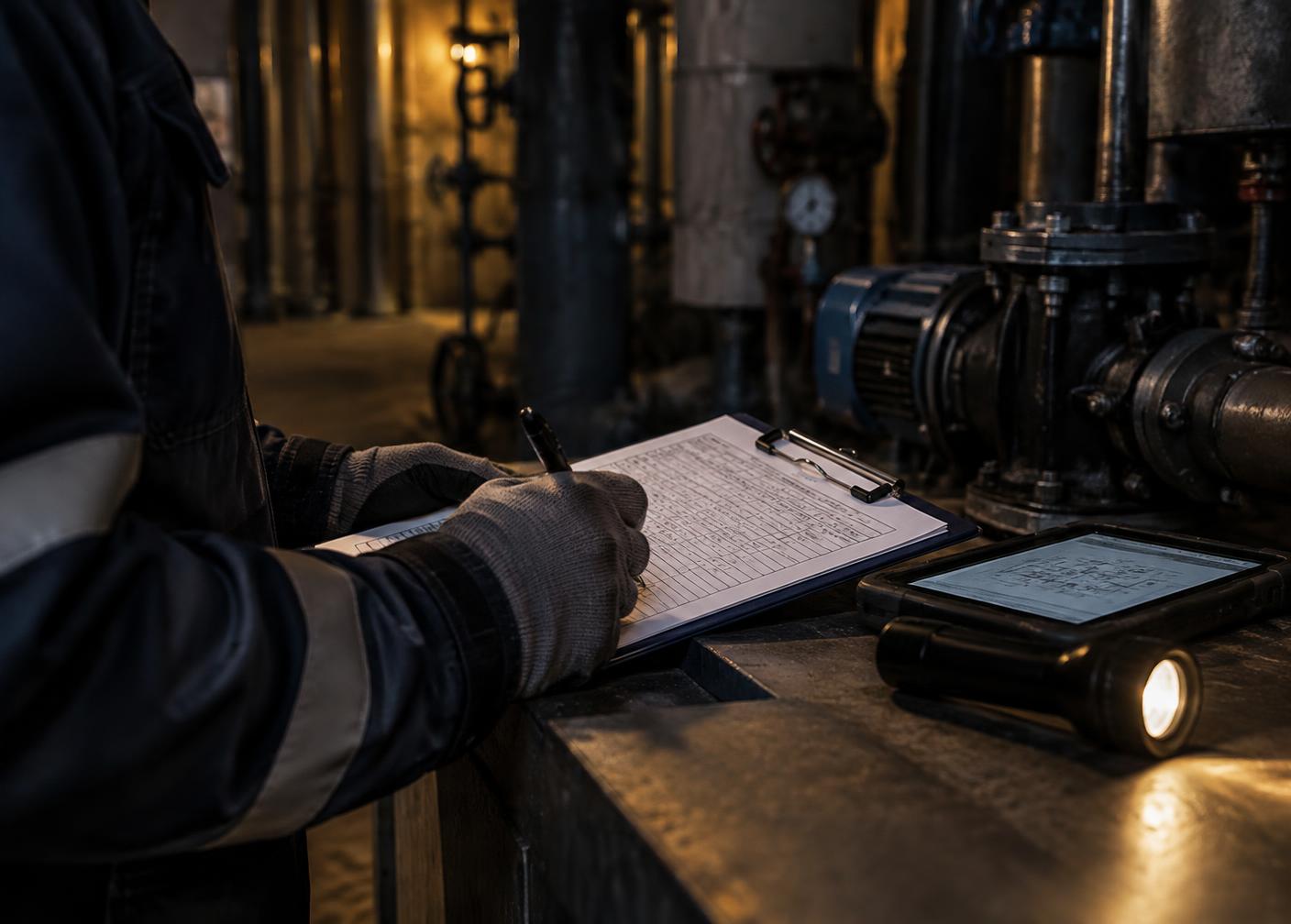
A fire watch that cannot be evidenced is difficult to defend later. Every assignment produces a written record your ownership, insurer, or authority having jurisdiction can review.
Scope of Service
Clear boundaries protect everyone. Here is exactly what our personnel do and do not do.
Supporting Partnership
513 Firewatch operates in partnership with Alliance One Security & Risk Solutions LLC, an Ohio-licensed security provider. Through this relationship, 513 Firewatch is supported by experienced leadership, structured personnel management, professional reporting systems, risk-management capabilities, and backgrounds spanning law enforcement, military service, investigations, fire inspection, emergency response, and protective services.
Service Areas
Coverage is coordinated from Cincinnati outward. Availability in outlying communities is confirmed honestly at intake rather than promised in advance.
Kentucky coverage is not currently offered. An Ohio PISGS company license does not authorize security work in Kentucky.
Coverage Map
Representational map of our Ohio service footprint. It illustrates coverage areas only and does not represent jurisdictional boundaries or authority.
A fire watch is a temporary measure in which trained personnel patrol a defined area on a set interval to look for fire, smoke, and other hazards, notify occupants and emergency services if something is found, and document each round in writing. It is used when a building's normal fire-protection capability is reduced or when an activity temporarily raises fire risk.
Commonly when a fire alarm or sprinkler system is out of service or impaired, when hot work such as welding or cutting is performed, during construction, renovation, or demolition, when an authority having jurisdiction orders one, or when a facility policy, insurance program, or permit condition requires it. The specific trigger for your property comes from the authority, permit, or impairment plan that applies to you.
A fire marshal or fire inspector, a building or code official, the property owner or their representative, a facility's own emergency or impairment program, an insurer, or a general contractor operating under a permit condition. Whoever ordered it usually also defines the patrol interval and the conditions for releasing the watch.
Often the same day, and frequently within hours for emergency requests, depending on location, duration, and staffing. We do not publish a blanket response-time guarantee. Call dispatch and you will be given a realistic start time for your property rather than a marketing promise.
No general company credential called ‘OSHA-certified fire watch’ is issued by OSHA. Personnel receive documented training to perform fire-watch duties, and services are structured around applicable OSHA standards, Ohio Fire Code requirements, site-specific post orders, and instructions from the authority having jurisdiction.
No. OSHA's fire-watch provisions primarily address workplace hazards such as welding and cutting. Fire-protection-system impairment watches are primarily governed by the Ohio Fire Code, the applicable fire-code official, the property's impairment plan, and approved post orders.
For welding and cutting covered by OSHA's general-industry standard, the watch generally continues for at least 30 minutes after the work is completed to identify smoldering fires. The fire-code official, hot-work permit, facility policy, or site conditions may require a longer period. This duration is not automatically applied to every type of fire-watch assignment.
The authority having jurisdiction, fire-code official, impairment plan, hot-work permit, facility policy, or approved post orders determines the required frequency. 513 Firewatch does not impose one universal patrol interval.
Contact 513 Firewatch to discuss the affected system, property conditions, required start time, patrol instructions, and documentation needs.
Dispatch: (513) 848-5900